
Hi there — it’s been a while since I last wrote. I’m Moss.
I’ve been keeping our Korean blog active every week with Bbap,
but somehow, it’s harder to stay consistent with this global one.
Maybe it’s because the Korean blog gives me instant feedback —
comments, reactions, little signs that someone’s actually reading.
But here on WordPress, even though it costs around 150,000 won a year, I can’t tell if anyone ever visits. It’s a strange silence.
Still, I remind myself — someone, someday, might stumble upon these words. (And… since I often share this blog with my Ringle teachers, it’d be a little embarrassing if it stayed empty for too long.)
So, after much thought, I decided to go light this time.
When it comes to blogging, the biggest enemies are grandeur and perfectionism. Whenever I try to start something big, I end up overthinking and writing nothing.
That’s why I chose a simple topic — one that’s close to me.
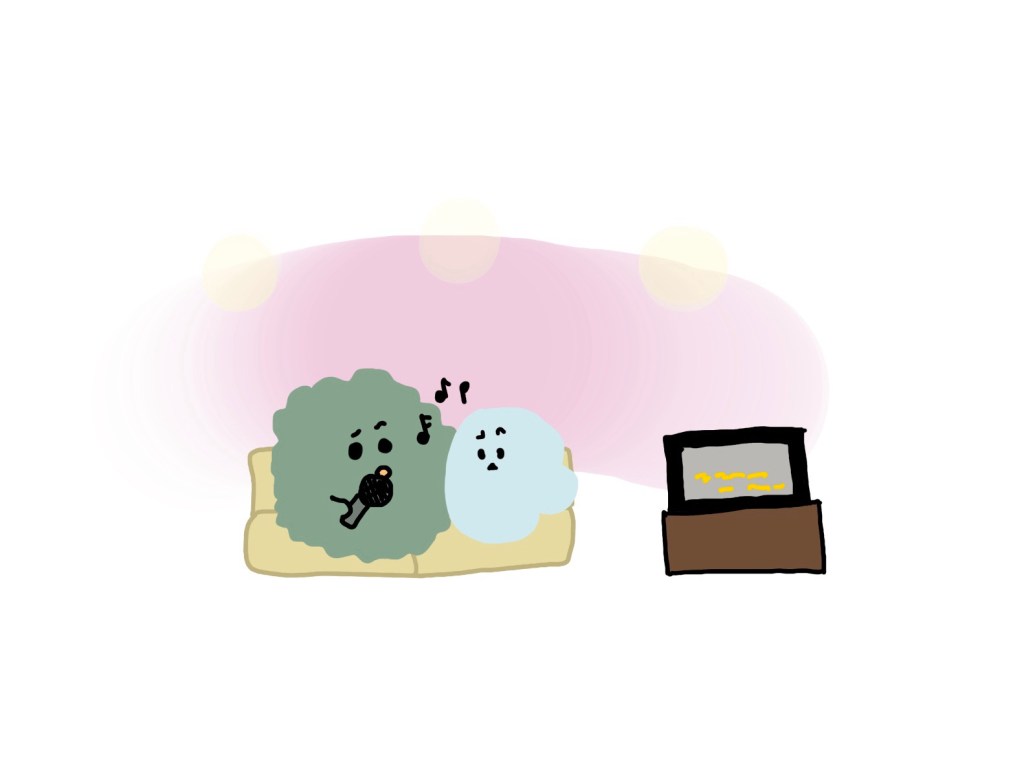
After all, not everyone can be a singer on a big stage, but anyone can scream their heart out in their own little cave:
the coin karaoke.
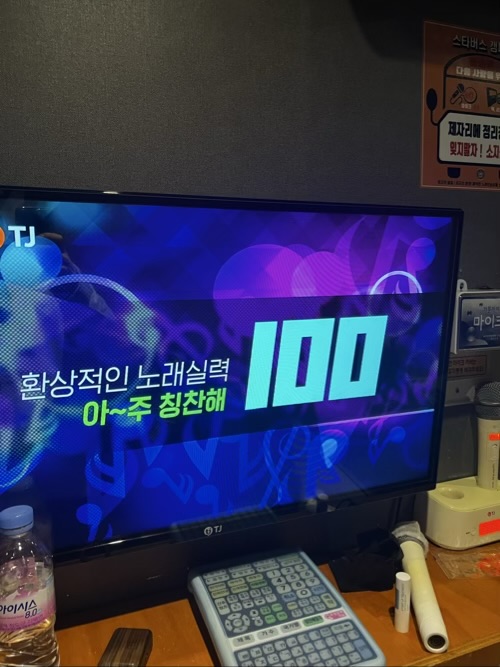
I’ve always been a huge karaoke lover.
My love for singing started way back in elementary school.
Every Korean guy of my generation grew up listening to ballads —
Buzz, SG Wannabe, V.O.S, Monday Kiz, Brown Eyed Soul, 4Men, Vibe.
We all imagined ourselves standing on the school trip stage,
singing perfectly and soaking in the applause of the entire class.
I guess I wasn’t so different.
Reference: Buzz, one of the leading bands that shaped the era of Korean ballads.
Anyway, I poured my passion for singing into countless karaoke nights with friends. So it’s only natural that I’ve grown to love Korean karaoke culture — and especially, the coin karaoke that lets you sing your heart out whenever you want.
How Is Coin Karaoke Different from Regular Karaoke?
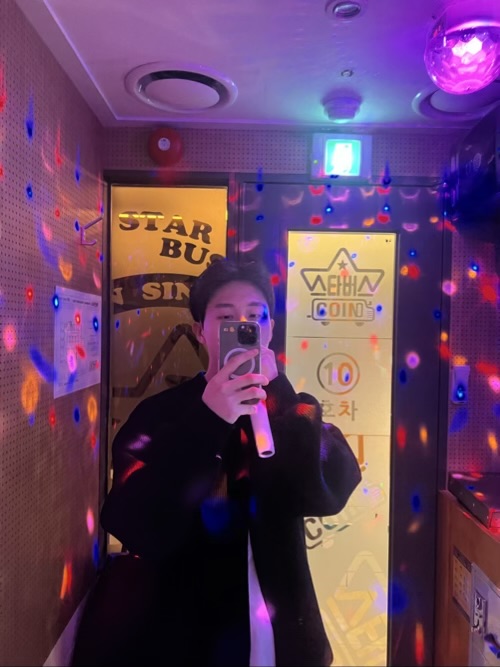
Coin karaoke wasn’t always this popular.
When I was younger, it was just the regular karaoke that everyone went to. Back then, you would walk up to the counter, tell the owner how long you wanted to sing—maybe thirty minutes or an hour—pay in advance, and they’d set the timer for your room.
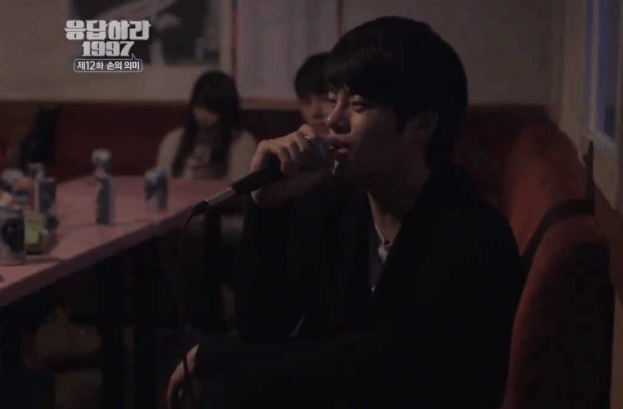
⬆️ traditional karaoke scene in Reply 1997
Then sometime in the 2010s, the coin karaoke started booming.
Many of the old-style karaoke bars in Korea have now turned into nightlife or adult entertainment venues. That’s why, in many Korean noir films, you’ll often see scenes set in karaoke bars — where business deals are made, or sometimes, where things go wrong.
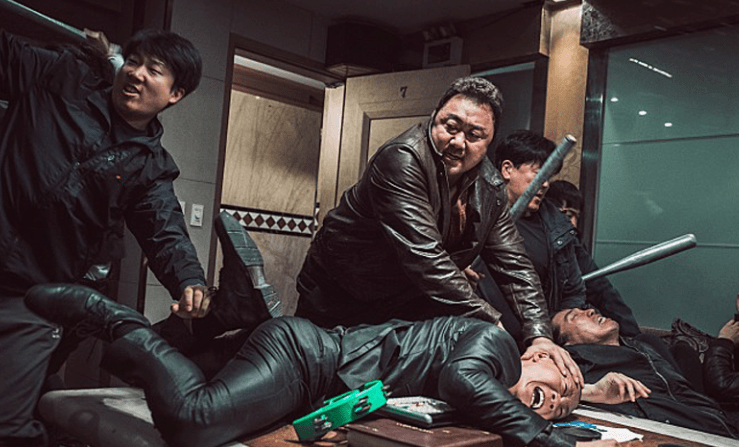
One of the most iconic examples of karaoke scenes in Korean noir films would be The Outlaws, starring Ma Dong-seok (known internationally as Don Lee). In that movie, the karaoke bar isn’t just a place for singing — it’s where tension builds, deals are made, and chaos begins.
So….
if you really just want to sing, coin karaoke is the place to go.
Regular karaoke rooms usually have only a few large rooms,
while coin karaoke booths are small and designed for one or two people— perfectly sized for anyone who wants to sing alone without feeling awkward.
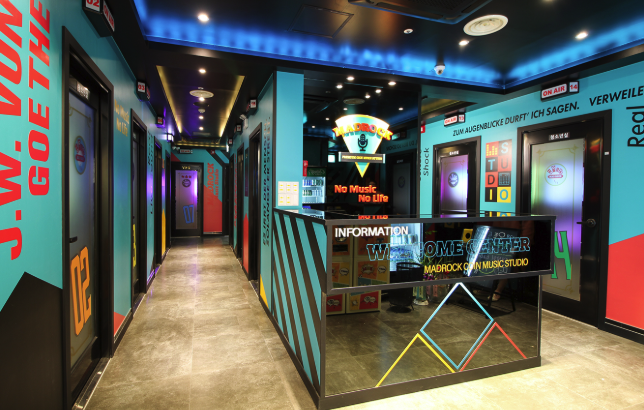
The name coin karaoke comes from the way it originally worked —
you would insert coins into a small machine inside the booth,
and each coin gave you a set number of songs to sing.
It was basically like an arcade, but for singing instead of gaming.
These days, each booth even has its own card machine.
You can choose how many songs or how many minutes you want to sing, tap your card, and start right away (though not every coin karaoke is this modern yet).
The interface of the karaoke machine is surprisingly easy to use—
simple enough that even first-timers can figure it out in seconds.
So, How Much Is It — and Where Do You Go?
Coin karaoke rooms are everywhere —
you can find at least one in almost every busy neighborhood in Korea.
That’s how much Koreans love singing.
If you’re looking for the area with the most coin karaoke spots,
it has to be Hongdae in Seoul — a district buzzing with teens and people in their twenties. For them, singing is not just a hobby but a part of daily fun culture. (And honestly, I was no different.)

The map above is from Naver Map, one of Korea’s most popular map apps. I searched “코인노래방” (coin karaoke in Korean) around Hongdae Station, and all those orange dots you see are karaoke booths — pretty crazy, right?
In Korea, karaoke rooms and PC cafés are literally everywhere,
and their average quality is on another level —
far beyond what you’d expect in most other countries.
The price depends a bit on the area.
In cheaper neighborhoods, you can sometimes sing four songs for just 1,000 won. But these days, the standard rate is around 500 won for one song.
Still, that’s more than enough for a few quick songs
when you just want to blow off some steam without spending much.
Can Foreigners Sing There Too?
Of course!
The karaoke machines in Korea — from TJ Media and KY Entertainment — have songs listed by country.
Naturally, most of the songs are Korean,
but if it’s a famous pop track, you’ll almost always find it there.
The updates are impressively fast too — new hits often appear just a few days after they’re released.
Who do you want to sing?
The photo below shows the top 10 pop songs most frequently sung by Koreans in karaoke so far. Pretty interesting, right?
Would these make it to your playlist?
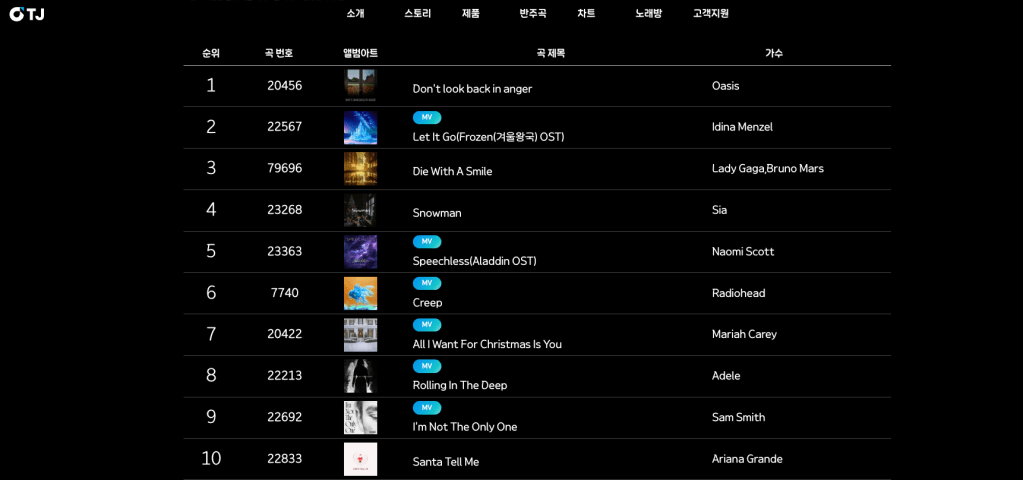
| No | Song Title | Artist |
|---|---|---|
| 1 | Don’t Look Back in Anger | Oasis |
| 2 | Let It Go (Frozen OST) | Idina Menzel |
| 3 | Die With a Smile | Lady Gaga, Bruno Mars |
| 4 | Snowman | Sia |
| 5 | Speechless (Aladdin OST) | Naomi Scott |
| 6 | Creep | Radiohead |
| 7 | All I Want for Christmas Is You | Mariah Carey |
| 8 | Rolling in the Deep | Adele |
| 9 | I’m Not the Only One | Sam Smith |
| 10 | Santa Tell Me | Ariana Grande |
Source: TJ Media Karaoke Chart (Korea)
(The list below isn’t just for pop songs —
it shows the overall top karaoke hits in Korea recently,
regardless of genre or country.)
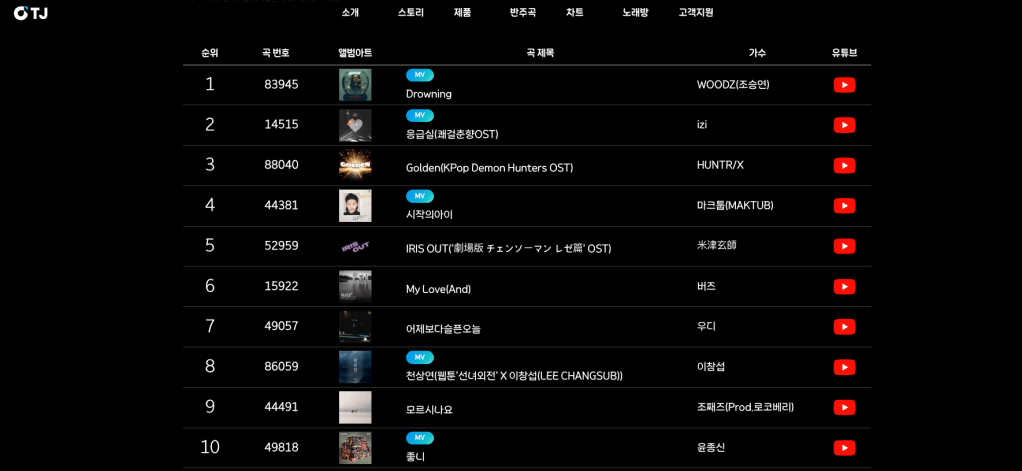
(How on earth do people even sing Golden???..;;;)
From Moss’s Random Thoughts: Why Karaoke Became So Popular in Korea
1. Apartments everywhere — no space to sing at home.
In countries with lots of detached houses, you can probably sing out loud in your room without bothering the neighbors too much.
But in Korea, most people live in apartments with thin walls.
So naturally, if you want to sing, you have to go somewhere soundproof.
And that place turned out to be… the karaoke room.
2. Koreans have a natural sense of “heung” — the joy of excitement.
Koreans love music, rhythm, and good vibes.
We enjoy eum-ju-ga-mu — drinking, singing, and dancing — though in my case, I’m not into the drinking part.
Still, I absolutely love singing.
There’s nothing quite like rapping together in a karaoke cipher
or layering ad-libs over a dramatic ballad with your friends.
That shared excitement is something you can’t really replace.
3. So many company dinners.
This might be connected to number 2, but Koreans have this deep-rooted company dinner culture (hoesik).
After work, people often go for drinks and then, naturally, to karaoke.
(I personally don’t like it, but still.)
It used to be almost a ritual for office workers.
These days, younger generations — the so-called MZ generation — aren’t really into it anymore.
But who knows? Maybe karaoke became popular because of hoesik,
or maybe hoesik became popular because karaoke was everywhere.
So, that was my little introduction to coin karaoke in Korea —
one of the most common and beloved entertainment spots you’ll find here.
Even in INZOI, a new life-simulation game released by the Korean game company Krafton, there’s a coin karaoke booth right in the city.
Many players saw that and went, “Yep, that’s Korea.”
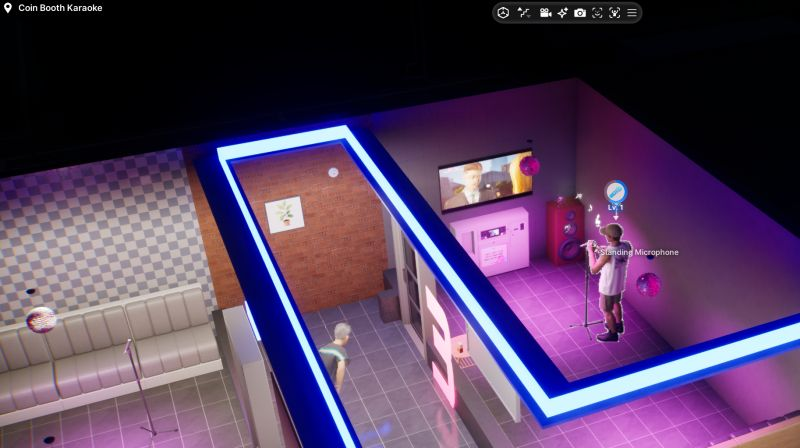
https://www.linkedin.com/posts/jaredjoseph_krafton-inzoi-games-activity-7311646457806131200-W0fN
I tried the game myself on my MacBook —
it’s still not as rich in content as The Sims,
but maybe that’s just because I’m playing the Mac version… anyway!
If you ever come to Korea, you have to grab a mic and visit a coin karaoke room. Most of them have staff who clean and disinfect every booth after each customer, and since smoking is completely banned, you won’t smell any cigarette smoke at all. Also most coin karaoke booths also provide disposable microphone covers, so you don’t have to worry too much about hygiene (each booth replaces the cover for every new user to help prevent any possible spread).
And remember — coin karaoke isn’t about singing perfectly.
It’s for anyone who wants to sing their own way.
Whether you hit a wrong note, cry through a song,
or just scream the chorus like your life depends on it — it’s all fine.
You can even adjust the pitch and tempo however you like,
so there’s really nothing to worry about.
That’s the beauty of it.
But what if you want to take it a little more seriously — like turning singing into a game? Then just switch on the Perfect Score mode and see how accurately you can hit each note.
And if you’d rather feel like a real live performer, some songs even support Live Mode, where you can sing as if you’re on stage.
These days, the karaoke machines are just insane —
their features and interfaces are way beyond what they used to be.
Ahh… now I kind of want to go for a session myself!
Alright then — that’s all for today.
See you next time with another little piece of Korea’s everyday life.
* This post, like all Bbapmoss content, was first drafted in Korean by the site administrator and then refined in consultation with ChatGPT.
 bbapMoss
Leave a comment