
There’s a pretty big stereotype about Korea out there—
That Koreans eat kimchi every single day.
But here’s the shocking truth:
That’s actually wrong.
Because if you’re truly Korean,
you don’t eat kimchi once a day…
You eat it every single meal.
Recently, K-pop: Demon Hunters has been generating a lot of buzz.
Apparently, it features tons of Korean cultural elements.
But here’s an interesting twist—
The director deliberately left out kimchi, saying it felt too cliché.
Even in a scene where characters are eating cup noodles!

source : https://www.starnewskorea.com/music/2025/07/07/2025070712275576512
Looks like they wanted to introduce people to other Korean foods instead.
So, to give some love to our beloved kimchi,
we’ve decided to dedicate this post entirely to it!
1. What is Kimchi ..
Kimchi is Korea’s traditional form of fermented food culture.
In a narrow sense, the word “kimchi” usually refers to napa cabbage that’s been salted and seasoned with red pepper flakes.
But in a broader sense, there are countless types—like green onion kimchi, watery radish kimchi, and mustard leaf kimchi, just to name a few.
According to historical records, simple salted vegetables existed as far back as the Three Kingdoms period in Korea.
By the Goryeo Dynasty, we started seeing early forms of kimchi like mul-kimchi (watery kimchi), nabak-kimchi (sliced radish kimchi), and dongchimi (radish water kimchi).
But the iconic red kimchi we know today—seasoned with chili powder—didn’t appear until the Joseon Dynasty.
That’s when chili peppers were introduced to Korea by Portuguese traders. In other words, red kimchi is actually a relatively recent invention in Korea’s long food history!
So why are there so many kinds of kimchi?
It all comes down to geography and environment.
In warmer regions, kimchi tends to be saltier so it can last longer without spoiling. In coastal areas, seafood is often added to the seasoning—giving the kimchi a deep, ocean-like flavor.
2. Perfect Pairings: What Goes Best with Kimchi?
The perfect kimchi pairing really depends on the type of dish you’re eating.
For example:
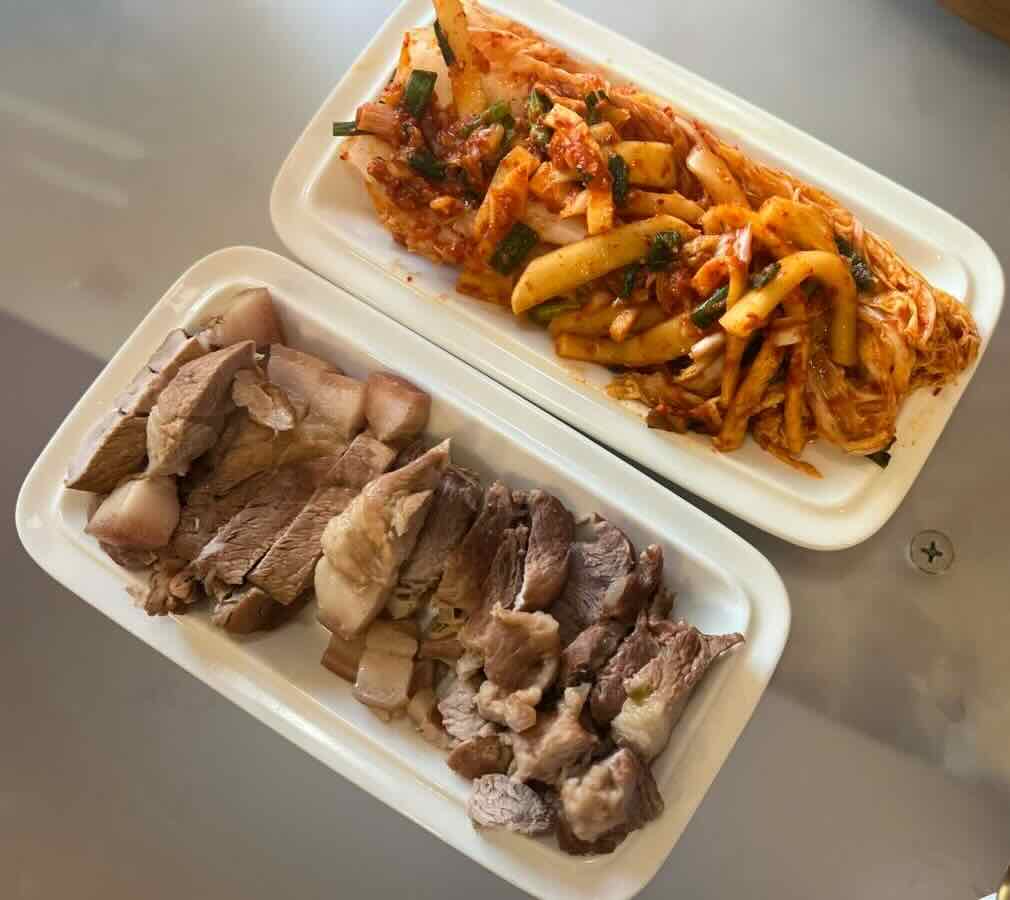
- With bossam (Korean boiled pork wraps), you’ll often see bossam kimchi specially made for it.
https://youtu.be/LNj0S7B5sEY?feature=shared
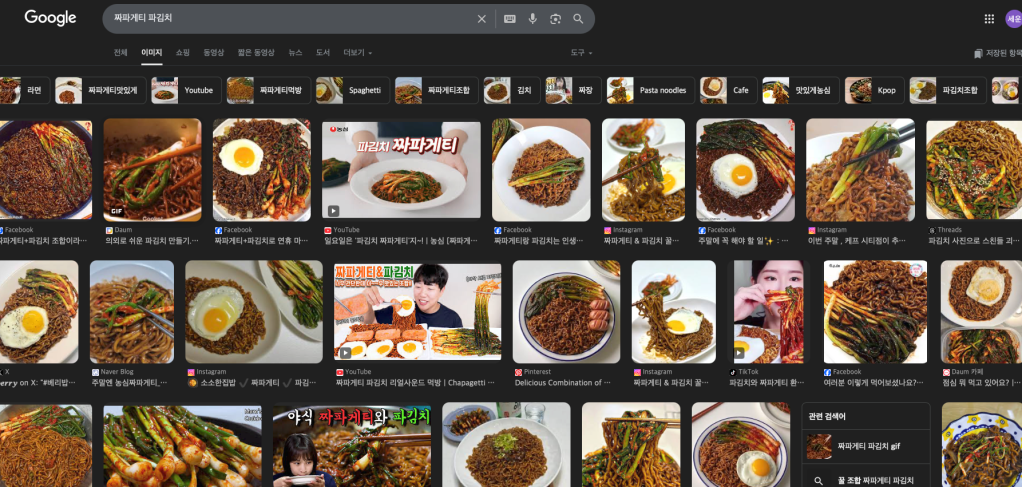
- With jajang ramyeon (black bean instant noodles), green onion kimchi (pa-kimchi) is a go-to.
https://youtu.be/T0P4fDd1H2s?feature=shared
- And for grilled samgyeopsal (pork belly), nothing beats some well-fermented kimchi sizzling right on the pan.
https://youtu.be/5T068SQoPT4?feature=shared
3. Delicious Dishes Using Kimchi
In Korea, kimchi isn’t just a side dish. People turn it into the star of the meal, making it the base for hearty main dishes.
- The number-one dish Moss is known for has to be kimchi fried rice—it’s the first thing that comes to mind!
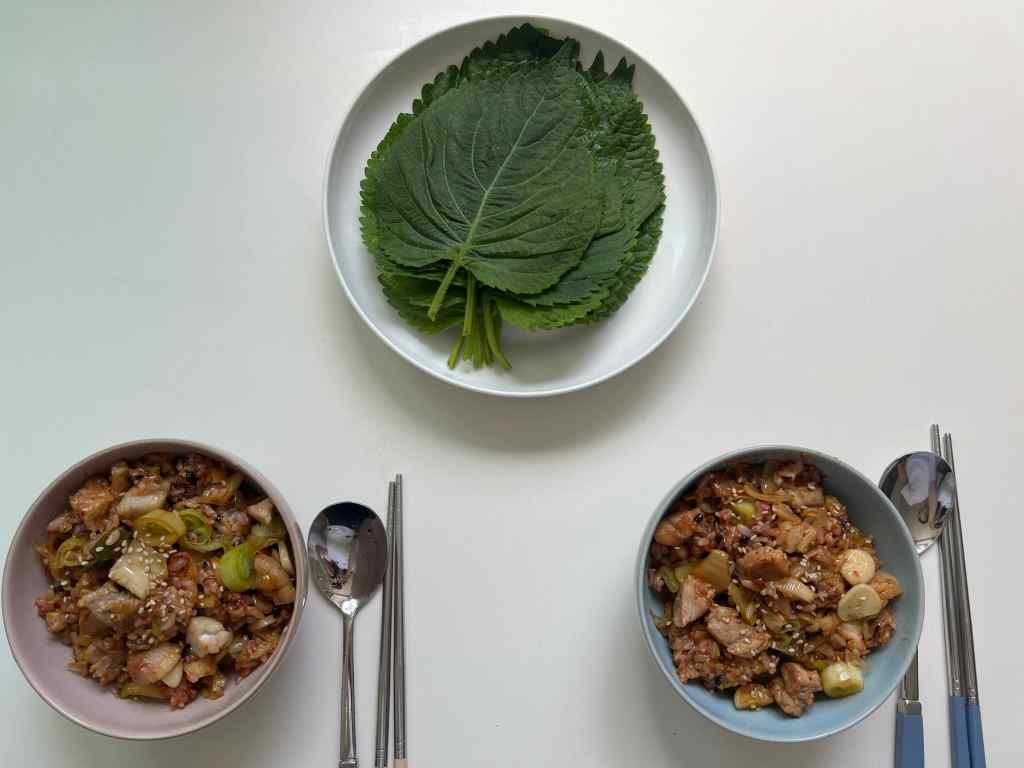
Kimchi fried rice is typically made with well-fermented kimchi, which gives the dish its tangy kick. That sour base is often paired with pork or Spam, stir-fried together for the perfect balance. Moss’s version of kimchi fried rice is loaded with garlic. Like many recipes, it also brings in garlic, green onions, and chili peppers—ingredients that hit the pan and come together in a harmonious, spicy kick.
- For Koreans, rainy days instantly call for one thing: jeon—those savory Korean pancakes that sizzle on the pan. There are countless varieties, but here I’ll focus on the classic: kimchi jeon.
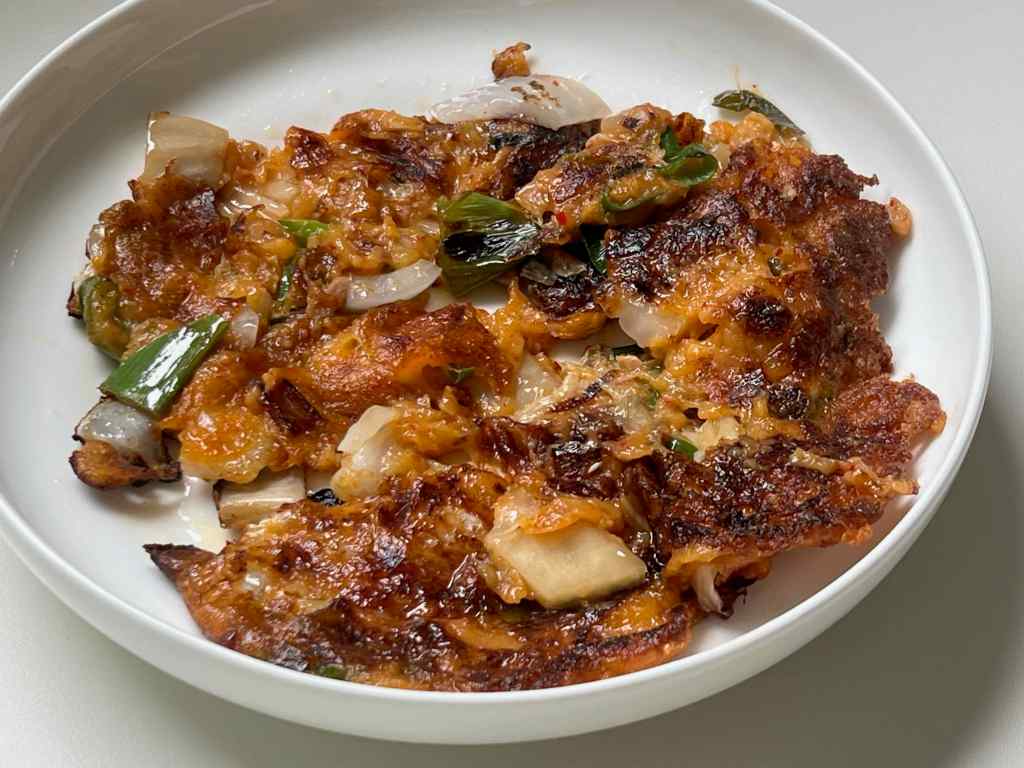
Ever wondered why jeon comes to mind when it rains? It’s said that the sizzling sound of jeon frying in oil is just like the sound of raindrops falling outside. The beauty of jeon is that it adapts to your taste—you can enjoy it soft and fluffy or perfectly crisp, all while carrying a nutty richness, a touch of saltiness, and an addictive flavor that keeps you coming back for more.
- When it comes to dishes made with kimchi, no list is complete without kimchi jjigae. In a country where jjigae—stews of all kinds—are part of daily life, kimchi jjigae proudly stands as the nation’s signature stew.
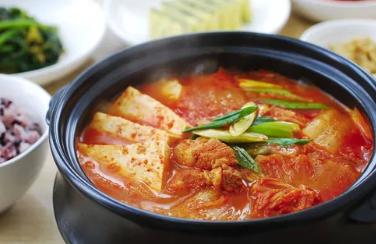
Kimchi jjigae is a true home-cooked staple—simple, comforting, and endlessly versatile. Most often, it’s simmered with tofu and pork, but a can of tuna is another beloved addition. Onions are essential for that touch of sweetness, while green onions bring both color and a deeper flavor to the broth. And it’s the middle of the night as I write this, but just thinking about kimchi jjigae makes me want to grab a bowl of white rice and dig in.
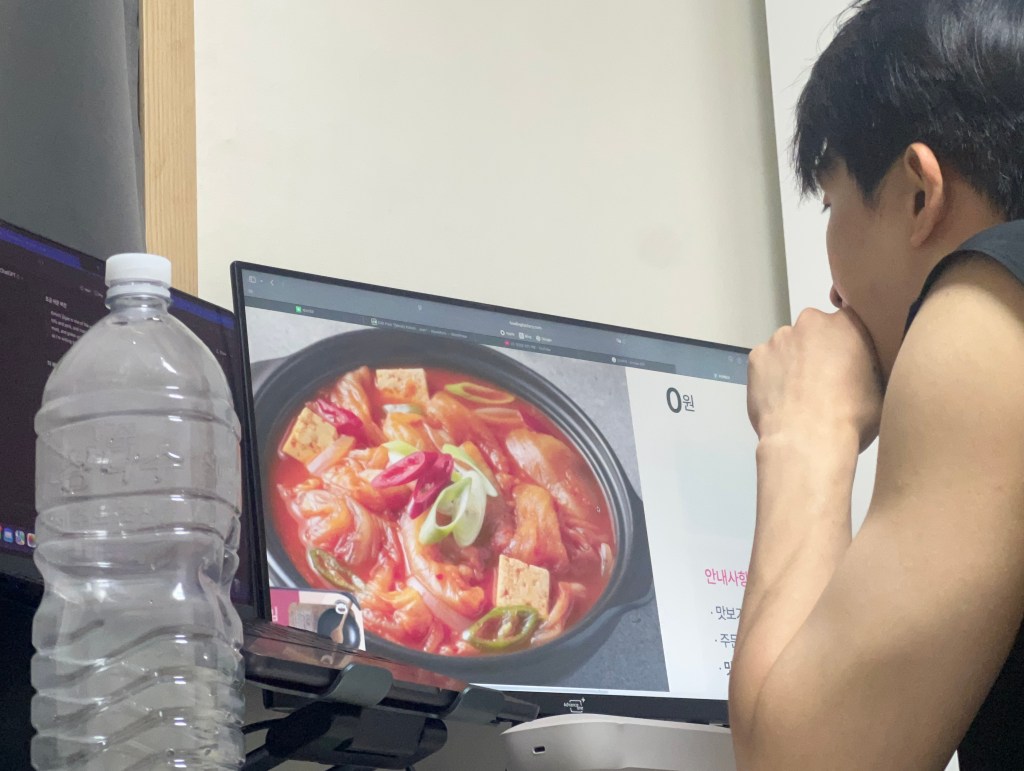
Mouthwatering…
- Let’s talk about kimchi duruchigi—simply because it’s just too delicious to skip. It’s a stir-fry made with pork shoulder or pork belly, kimchi, gochujang, garlic, and green onions (it’s quite similar to spicy pork bulgogi). And of course, it’s another true rice-stealer! 😆 But words can only go so far—so here’s a look at Moss’s homemade kimchi duruchigi.
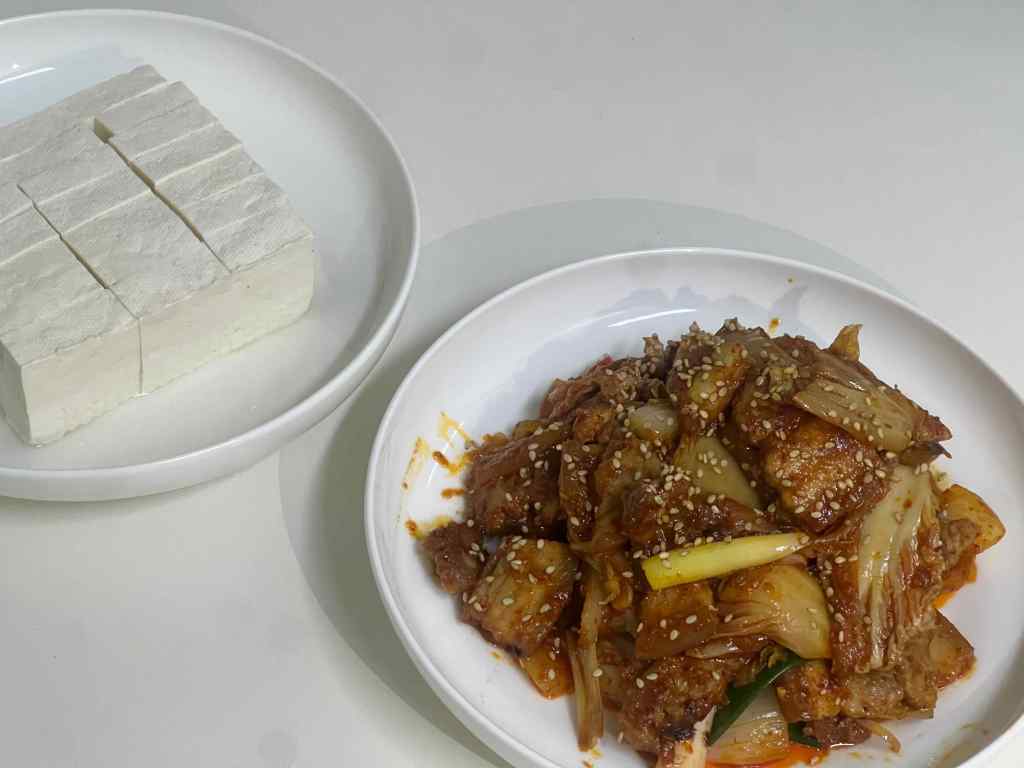
Doesn’t it look amazing? It tastes even better when you scoop it onto tofu.
By now, you might have picked up on which ingredients Koreans really love to cook with—garlic, green onions, onions, tofu, and pork.
4. The Korean tradition of making kimchi in large batches, called “gimjang”
Koreans traditionally do gimjang right before winter. That’s when napa cabbage and radishes are in season, and the cold weather helps the kimchi ferment slowly, keeping it delicious all winter long.
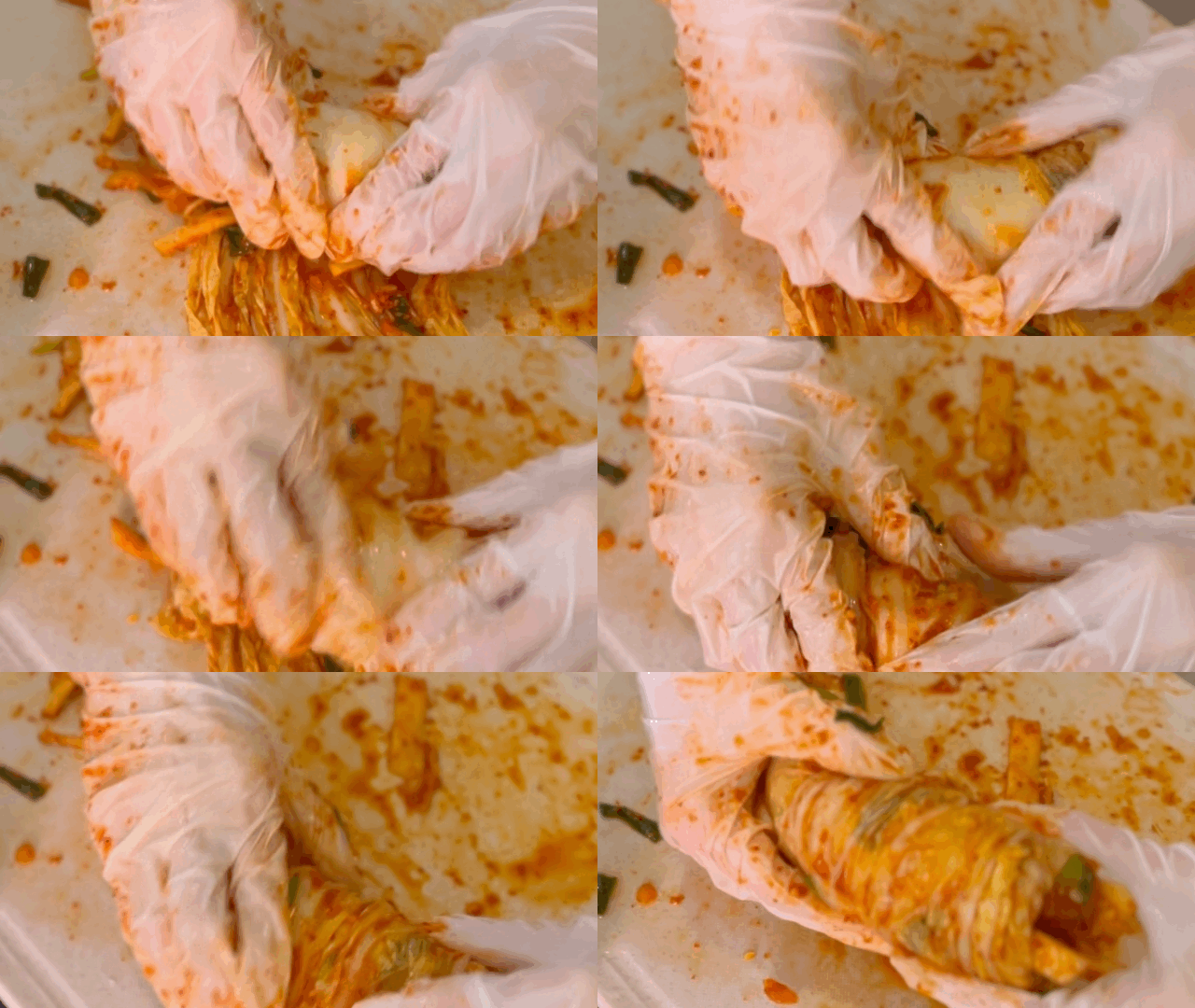
Gimjang is no easy task. You have to salt and prepare large batches of napa cabbage, and when it comes to creating the deep flavor of kimchi, the ingredient list is endless. For example, there’s gochugaru (Korean red chili flakes), garlic, ginger, green onions, radish, salted shrimp (saeujeot), fish sauce, and sometimes even oysters. All of these come together to create that signature, rich kimchi taste.
That’s why gimjang isn’t something you do alone—it’s a big event where family, relatives, and even neighbors gather to help each other. It’s not just about making kimchi; it’s about sharing the workload, laughing together, and strengthening community ties.
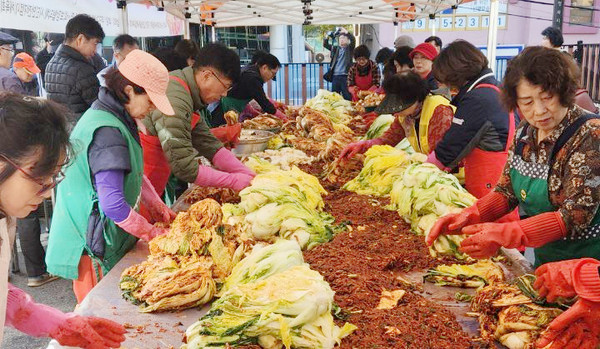
These days, many people no longer make kimchi at home but simply buy it, and with the decline of large family households, the tradition of gimjang has started to fade. It’s a bit sad, because gimjang used to be a grand event where everyone gathered—sharing the hard work, preparing a valuable and hearty food for the winter, and most of all, enjoying the warmth of giving and receiving. It was a tradition that reflected the generous spirit of Koreans. (In fact, the tradition of gimjang was inscribed on UNESCO’s Intangible Cultural Heritage of Humanity list in 2013. It’s recognized not just as a way of making food, but as a cultural practice of sharing, community spirit, and preparing for the winter together.)
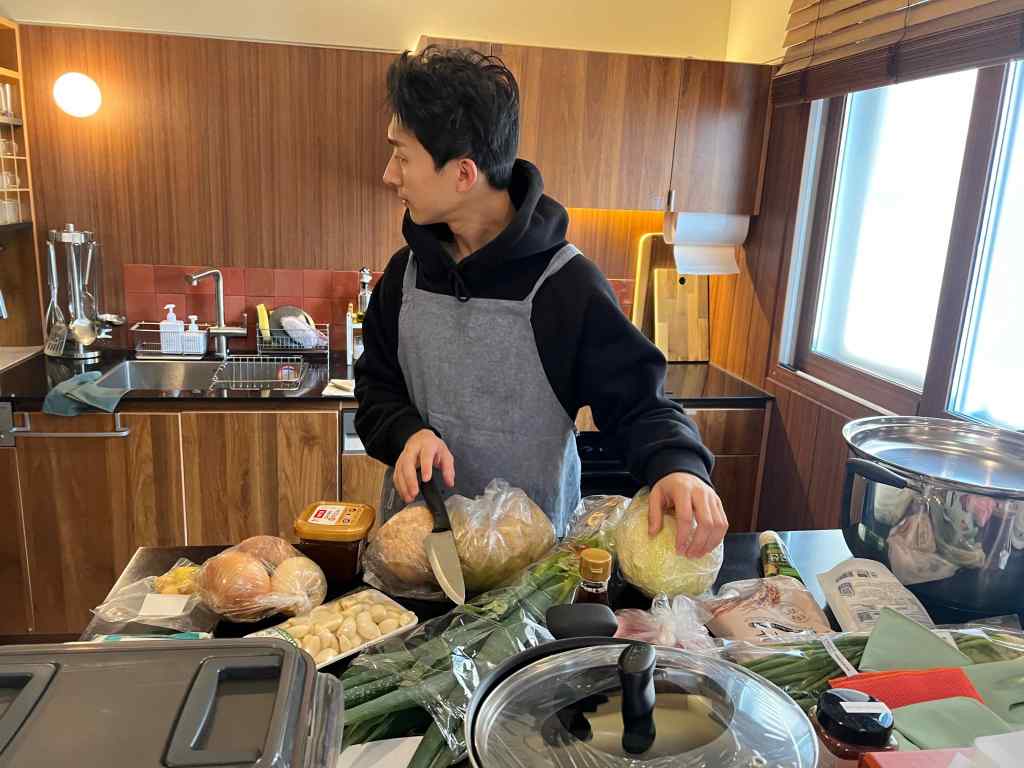
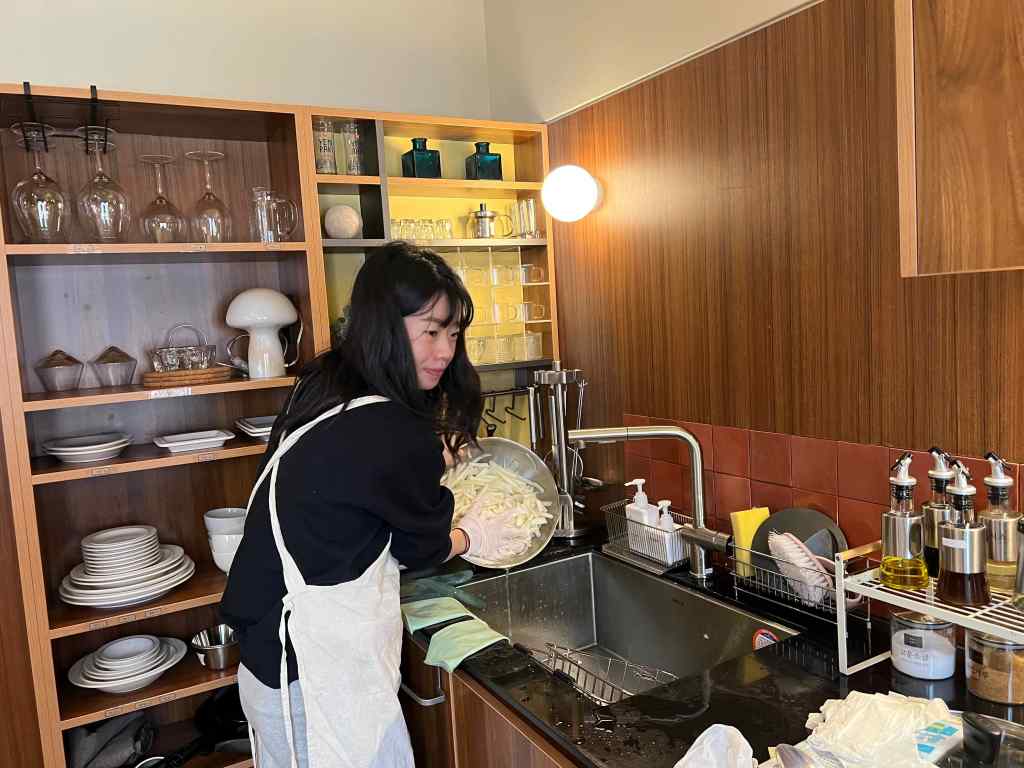
Bbap and Moss have actually done gimjang twice! And the kimchi dishes Moss cooked earlier? Yes—they were all made with our very own kimchi. When it comes to making kimchi, Bbap takes the lead as our head chef, and she’s truly the most reliable partner in the kitchen.

And that wraps up our post on kimchi.
Koreans’ love for kimchi is unstoppable, so of course we had to cover it here on Bbapmoss. Korea is so crazy about kimchi that most households even own a special kimchi refrigerator just to keep it fresh for longer.

Did this post make you crave some kimchi?
I’ve tried kimchi a few times abroad, but honestly, I’ve rarely found a place that makes it as well as in Korea. So if you ever get the chance to visit, I hope you’ll try some of the kimchi dishes I’ve introduced here—they’re absolutely worth it!
It’s already 1 a.m. here, so I’d better get some sleep. It’s been a while since my last post, but I’ll do my best to come back sooner next time. Until then—good night and see you again on Bbapmoss!
* This post, like all Bbapmoss content, was first drafted in Korean by the site administrator and then refined in consultation with ChatGPT.
 bbapMoss
Leave a comment